
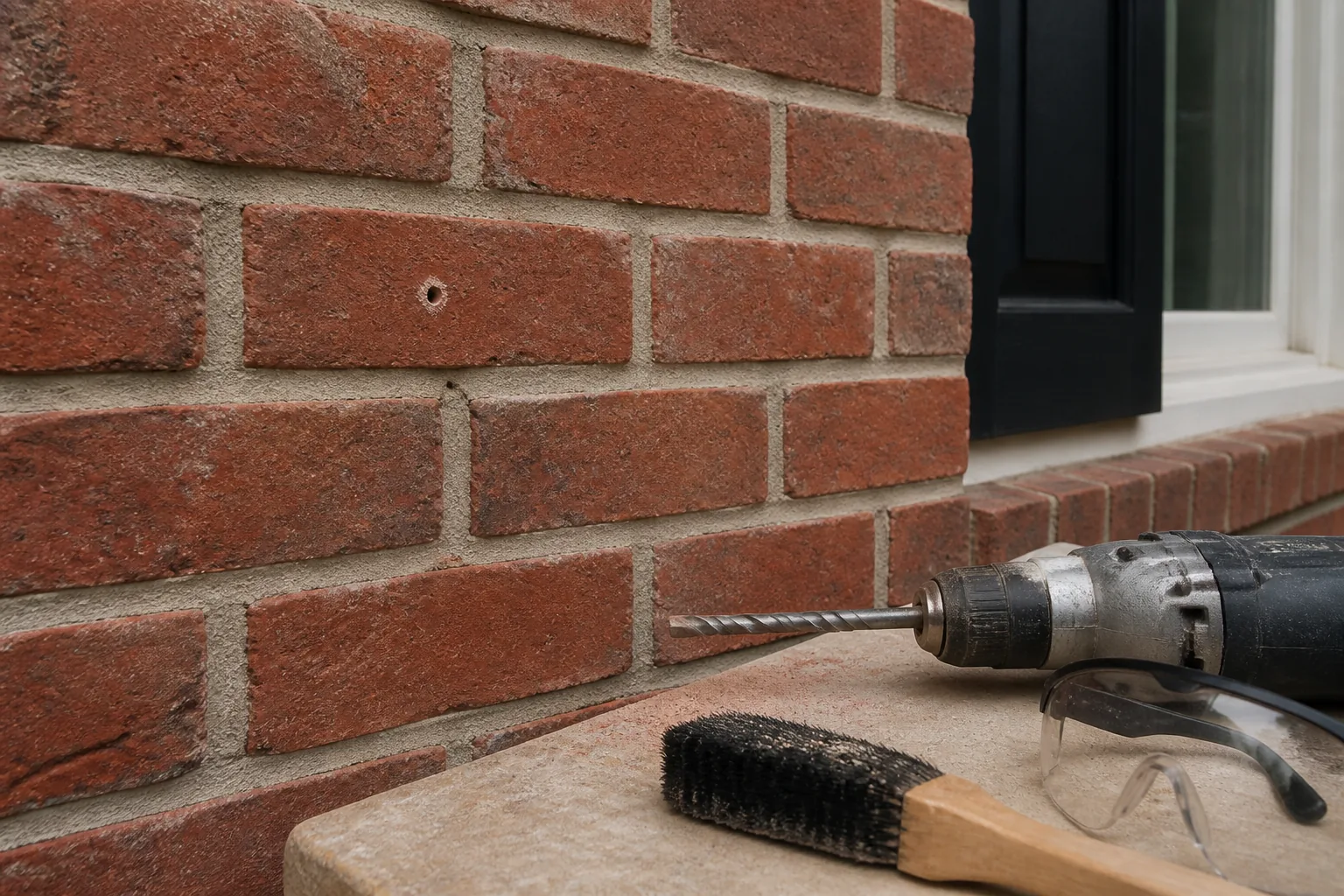
Should You Drill Into Brick or Mortar?
Choose the base material from the anchor instructions, wall condition and consequences of the installation.
Read complete guide →HomeMount Lab field notes
Plain-English explanations built from primary safety resources, manufacturer instructions and established wall-system guidance—with limitations stated clearly.
23 in-depth guides · reviewed August 2026Showing guides 13–23 of 23
Page 2 of 2Choose the base material from the anchor instructions, wall condition and consequences of the installation.
Read complete guide →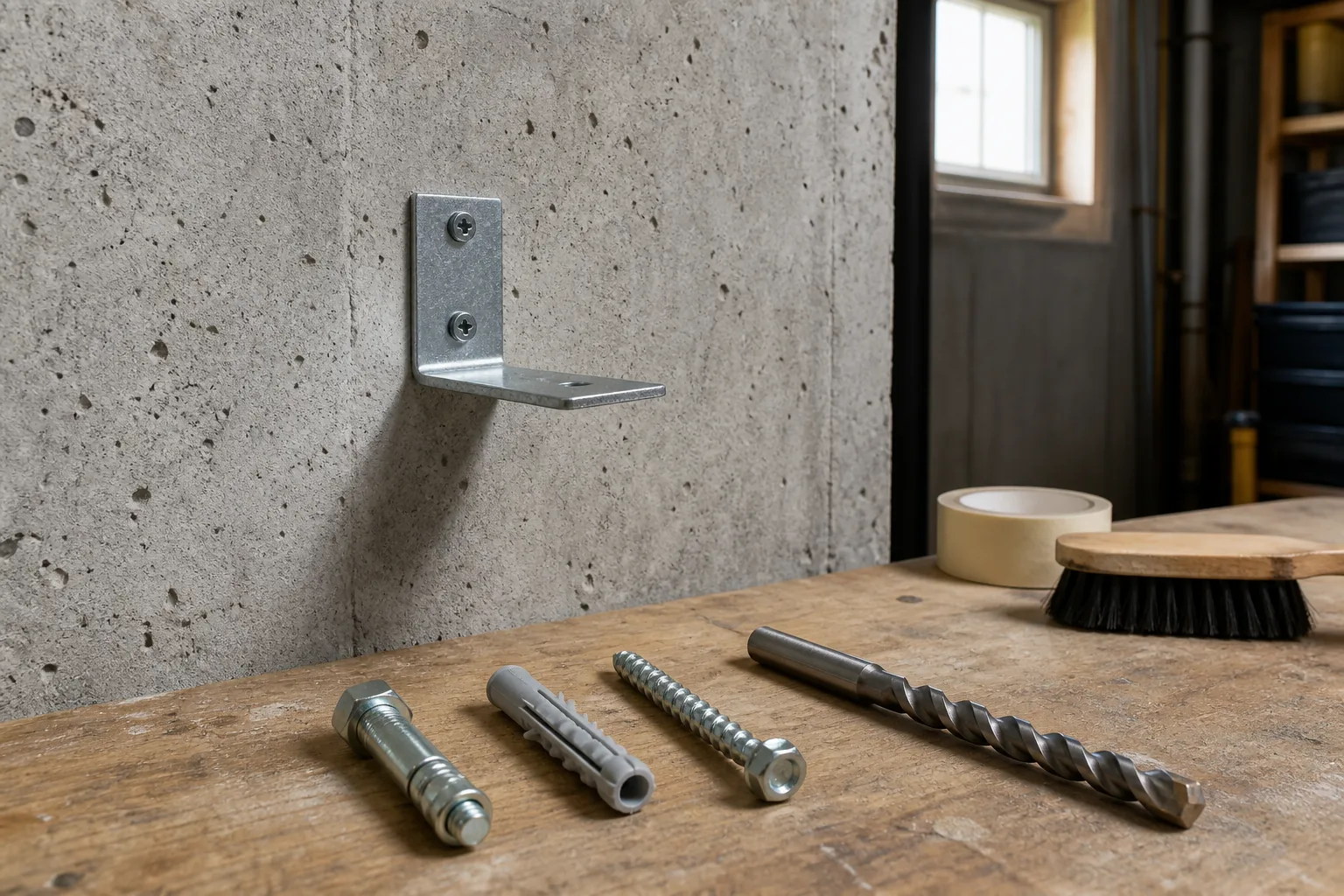
Understand base material, embedment, hole cleaning, spacing and torque before selecting an anchor.
Read complete guide →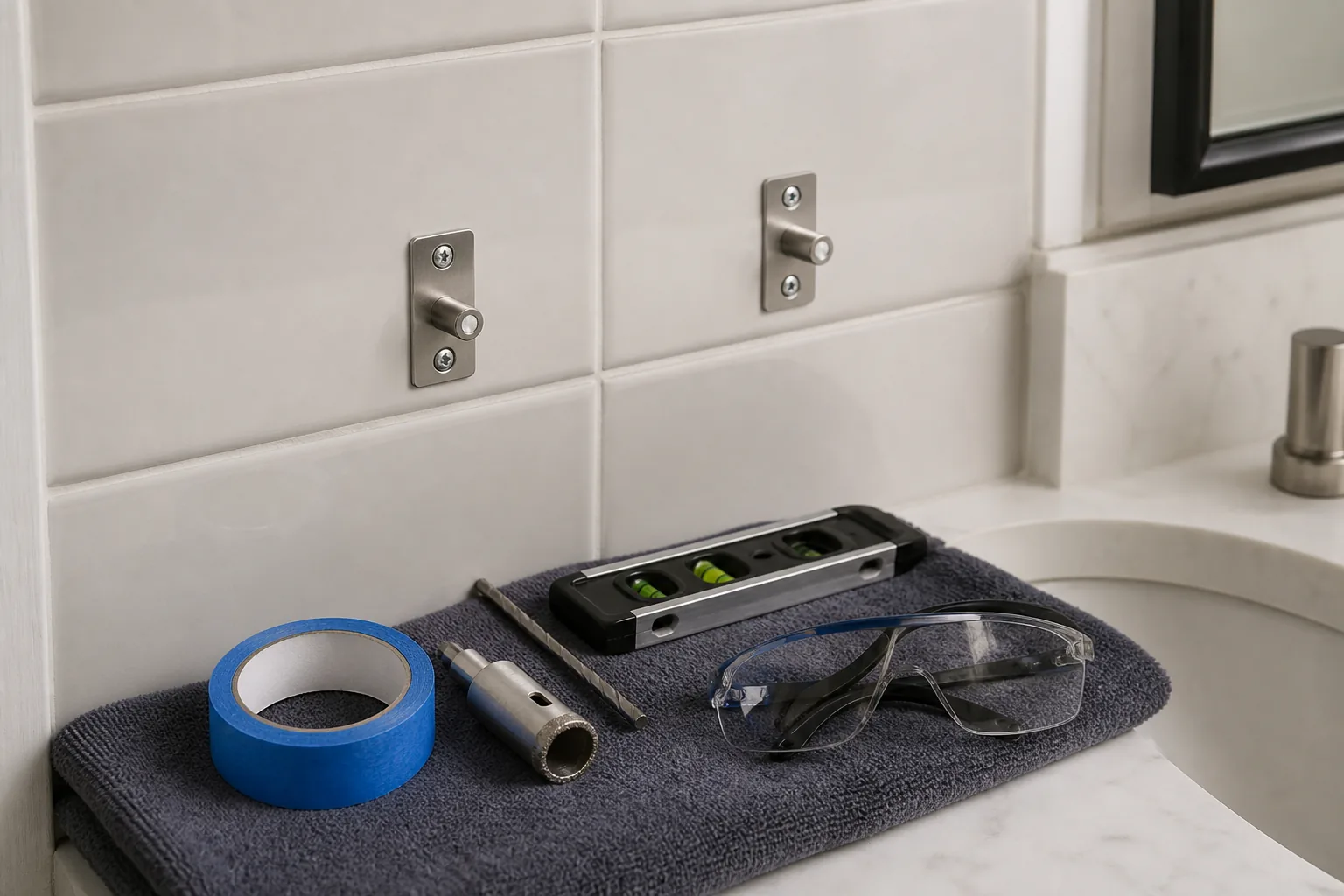
Match ceramic or porcelain tile to a documented drill bit, separate clearance from anchoring, and protect waterproofing when mounting bathroom hardware.
Read complete guide →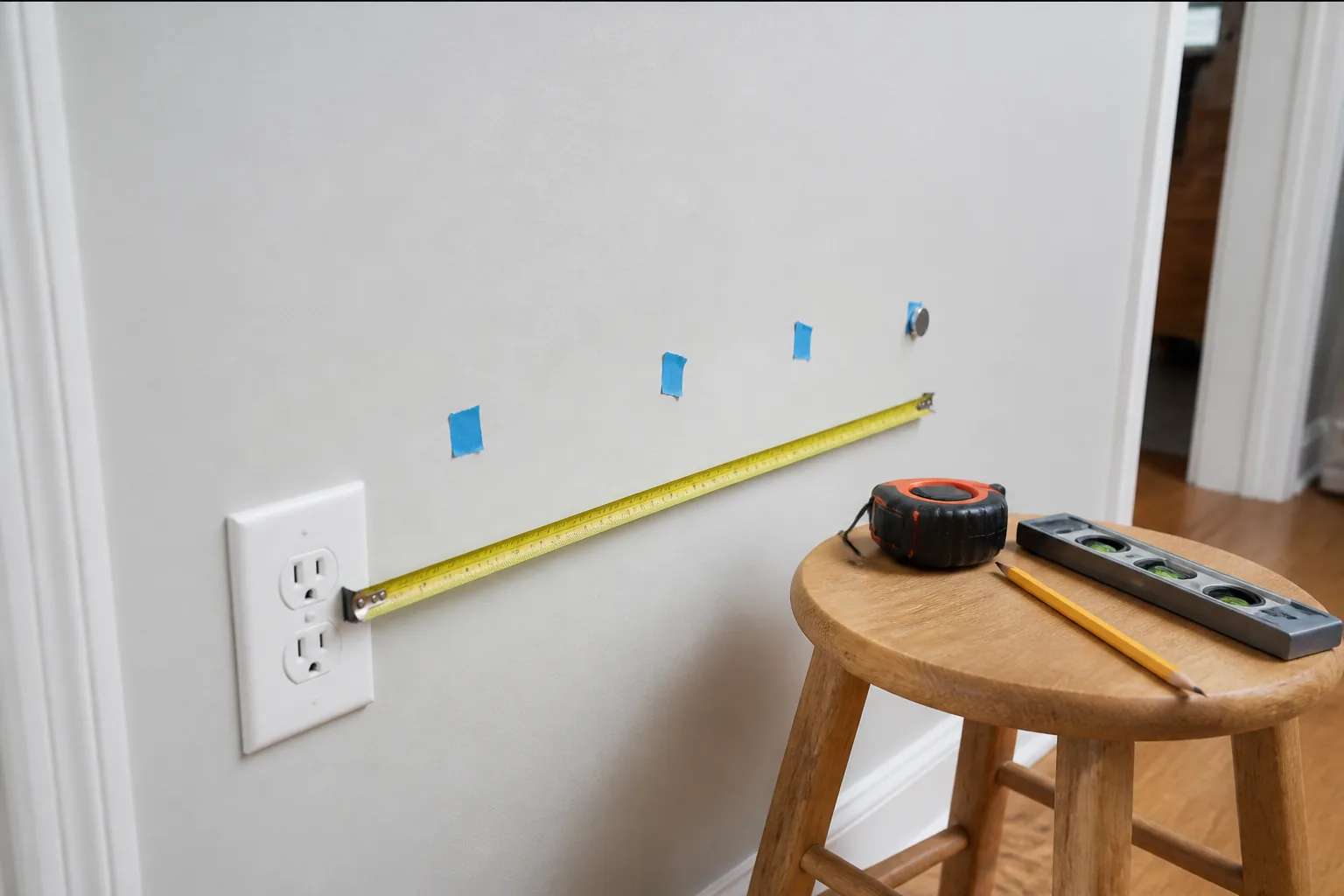
Combine construction clues, magnetic detection and confirmation instead of trusting a single beep.
Read complete guide →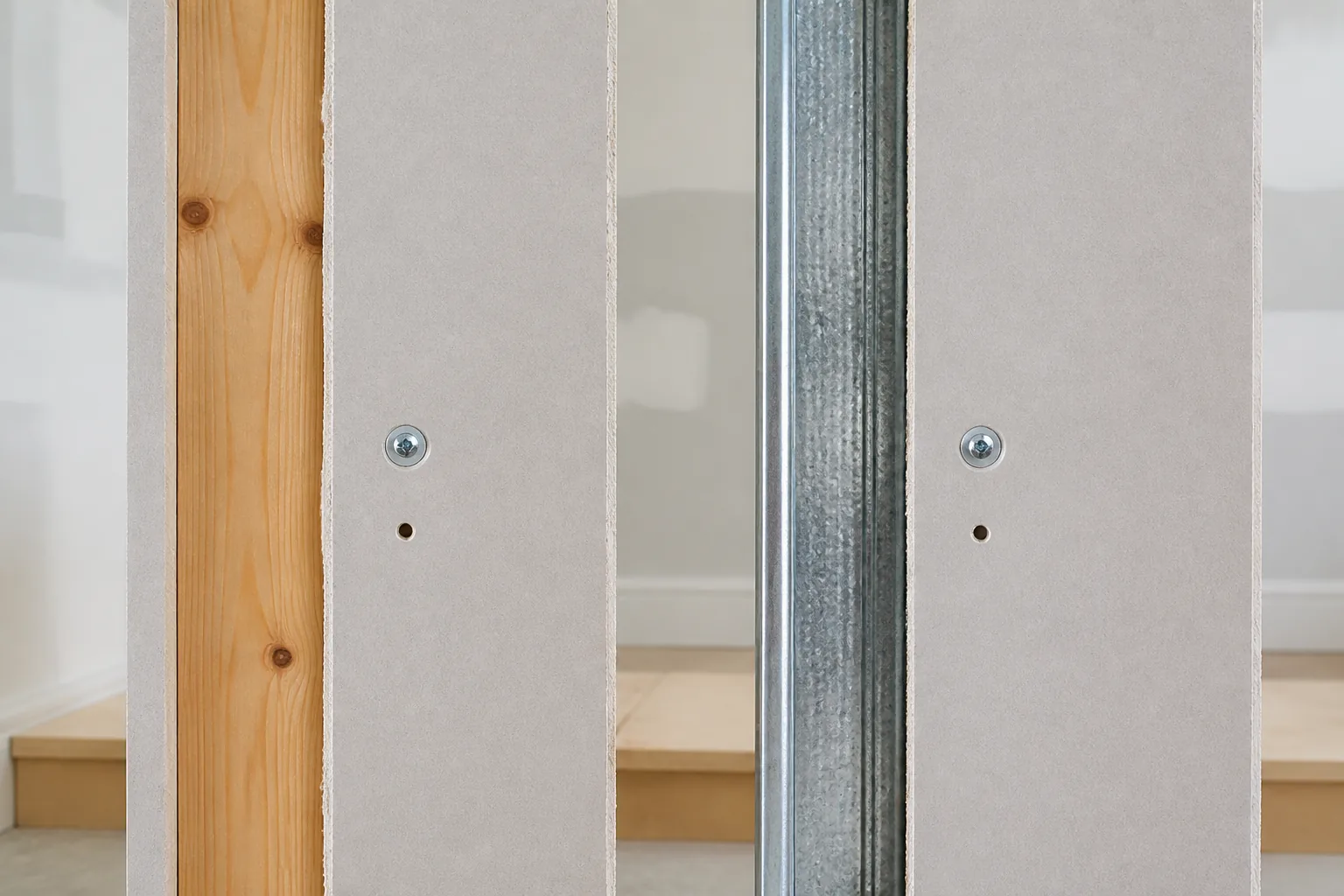
Compare wood and cold-formed steel studs, identify the wall assembly, and choose a mounting path without confusing metal studs with aluminum.
Read complete guide →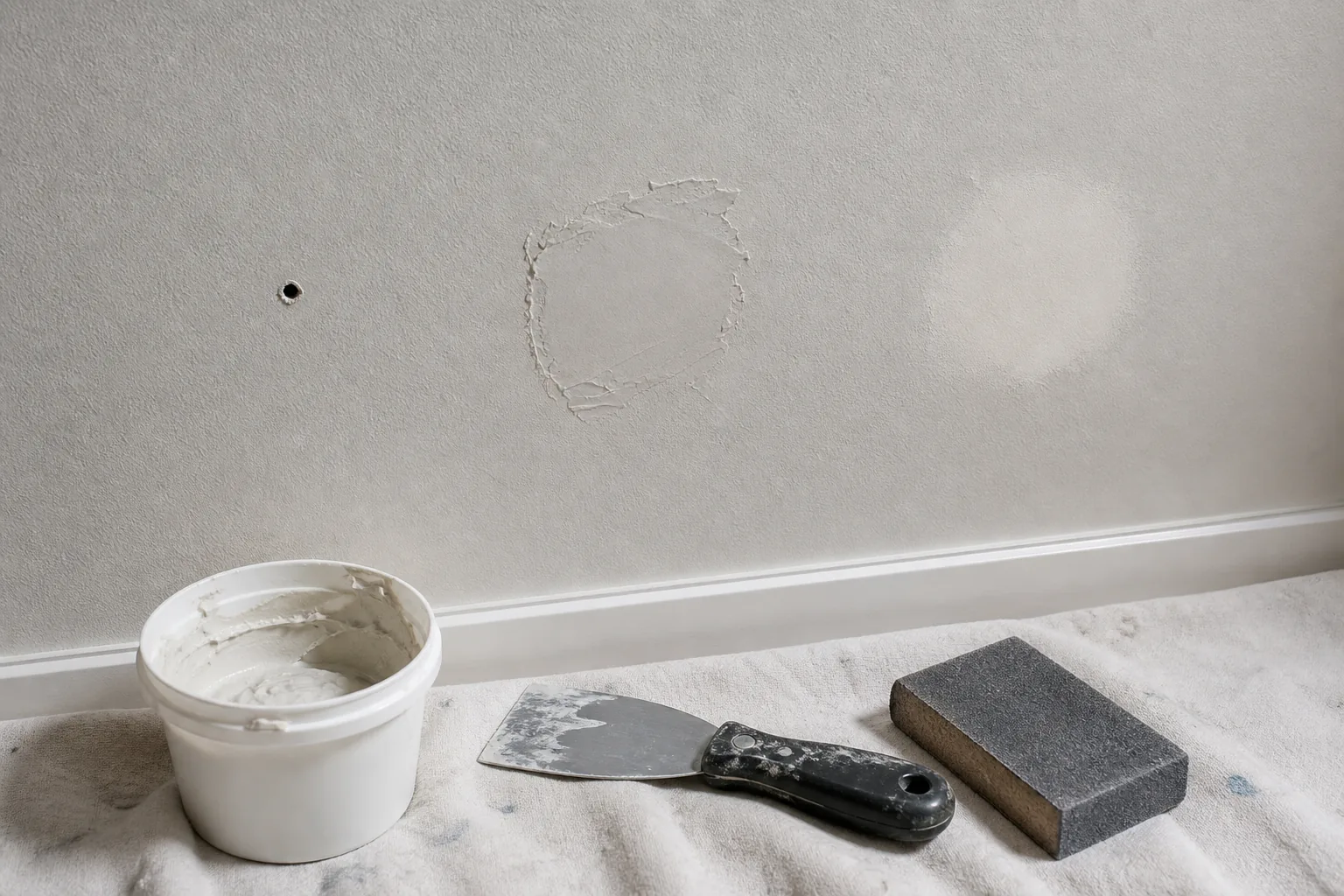
Size the repair, stabilize damaged paper and finish it so the patch does not flash through paint.
Read complete guide →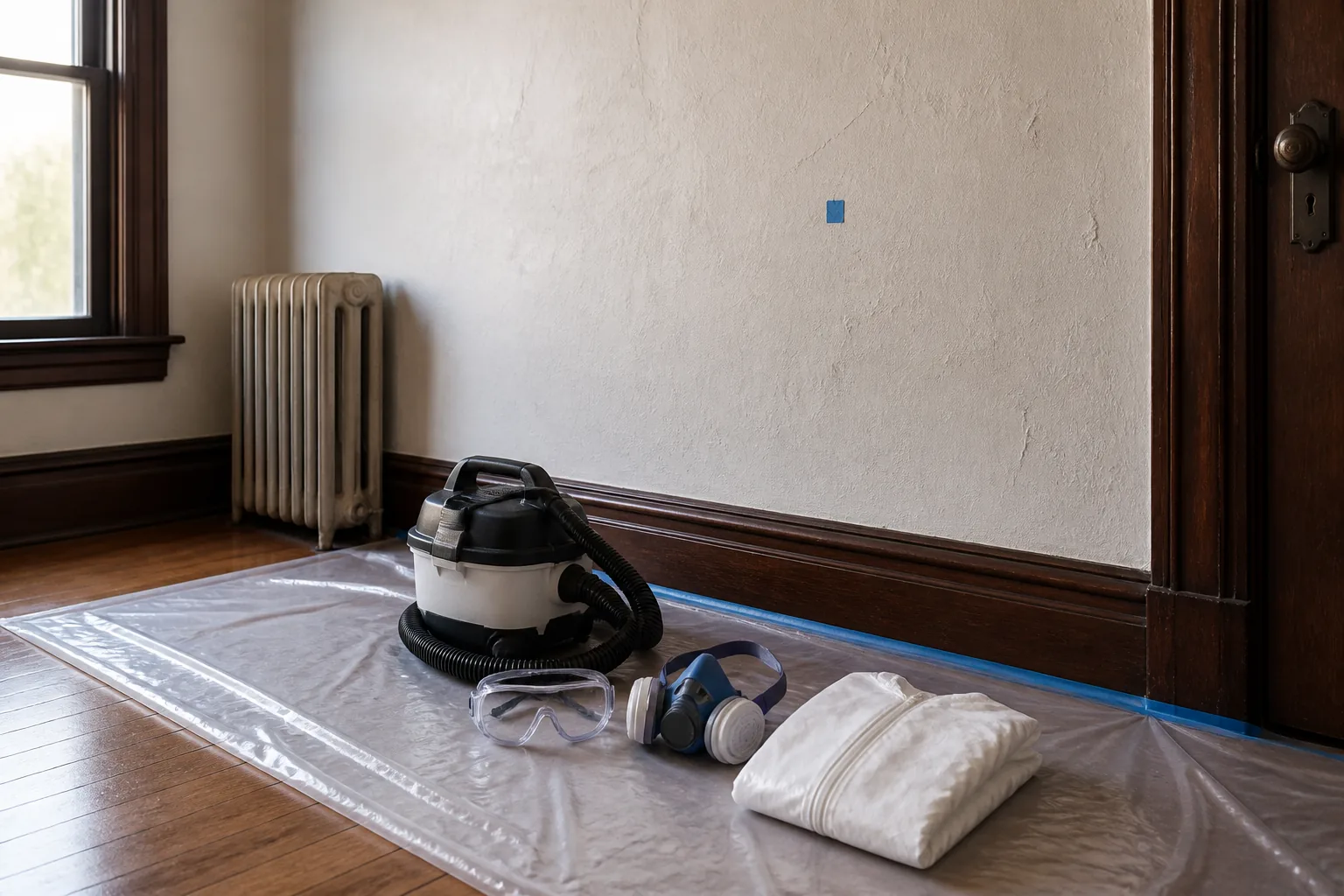
Plan for lead paint, older wall assemblies, hidden utilities and dust containment before making a hole.
Read complete guide →
Choose a low-damage method for light or heavy frames by checking weight, size, wall finish, hanger limits and failure consequences.
Read complete guide →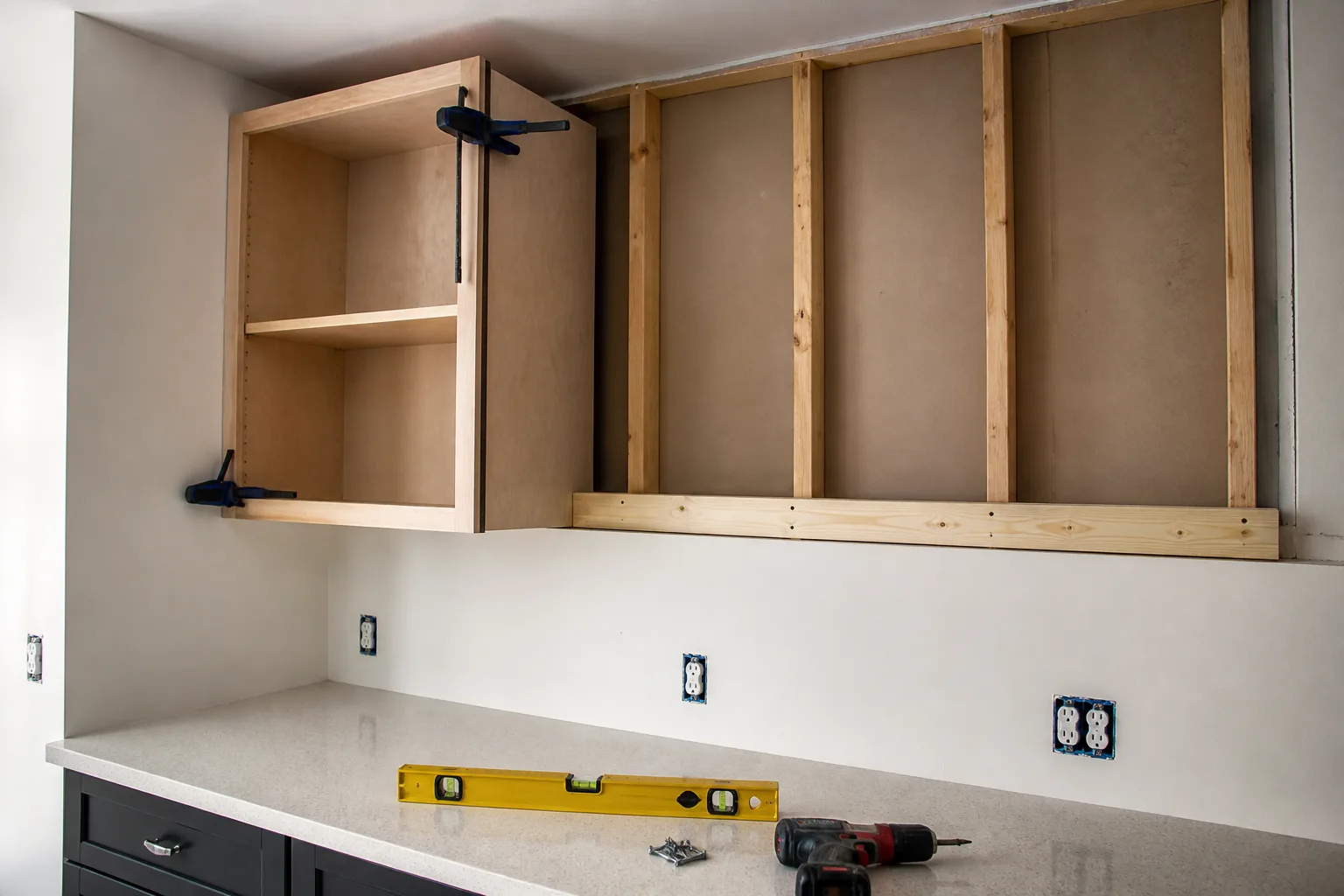
Understand rails, framing, cabinet construction and temporary support before a consequential installation.
Read complete guide →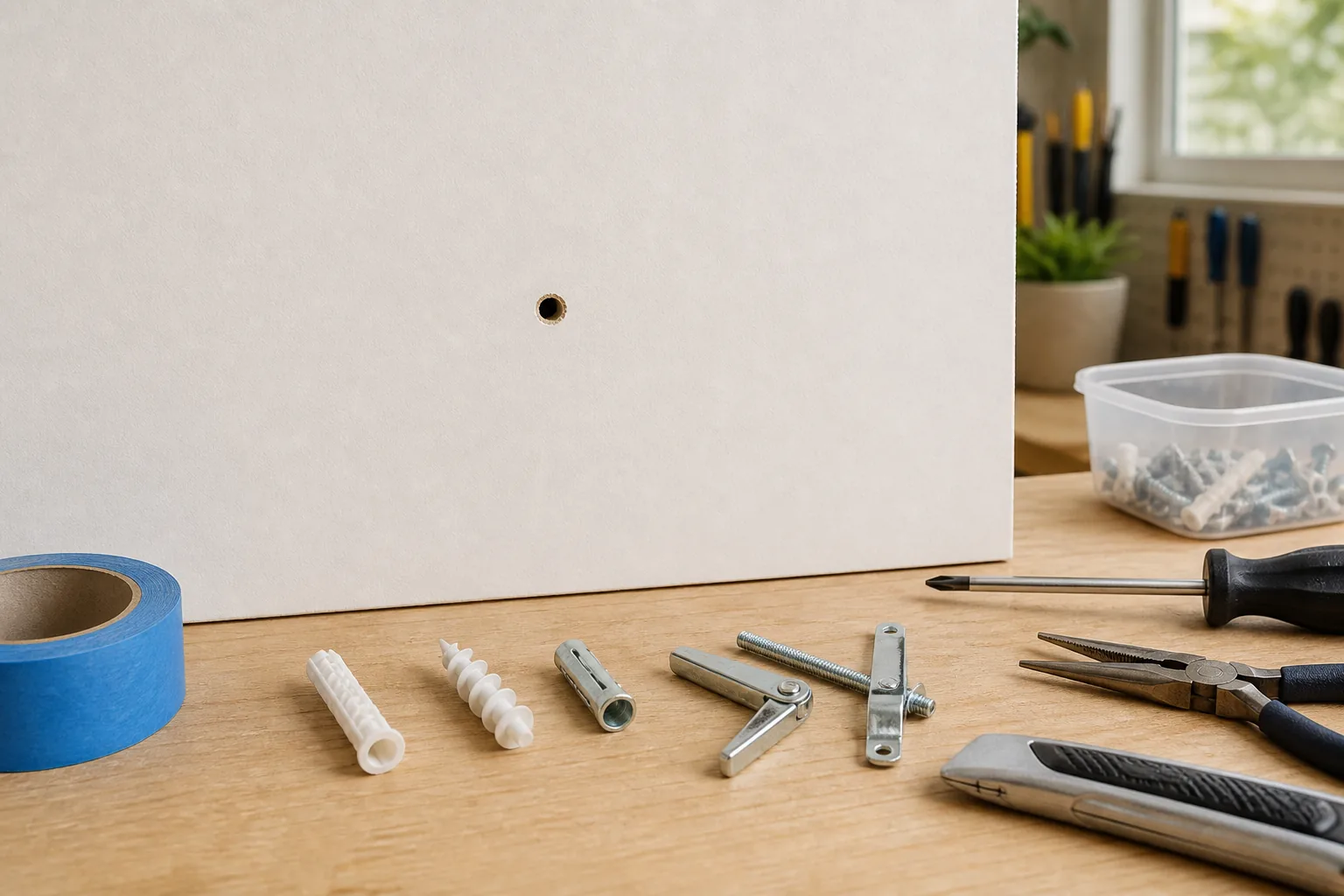
Identify the exact anchor, follow its maker's removal method and stop before intact drywall becomes a torn or oversized hole.
Read complete guide →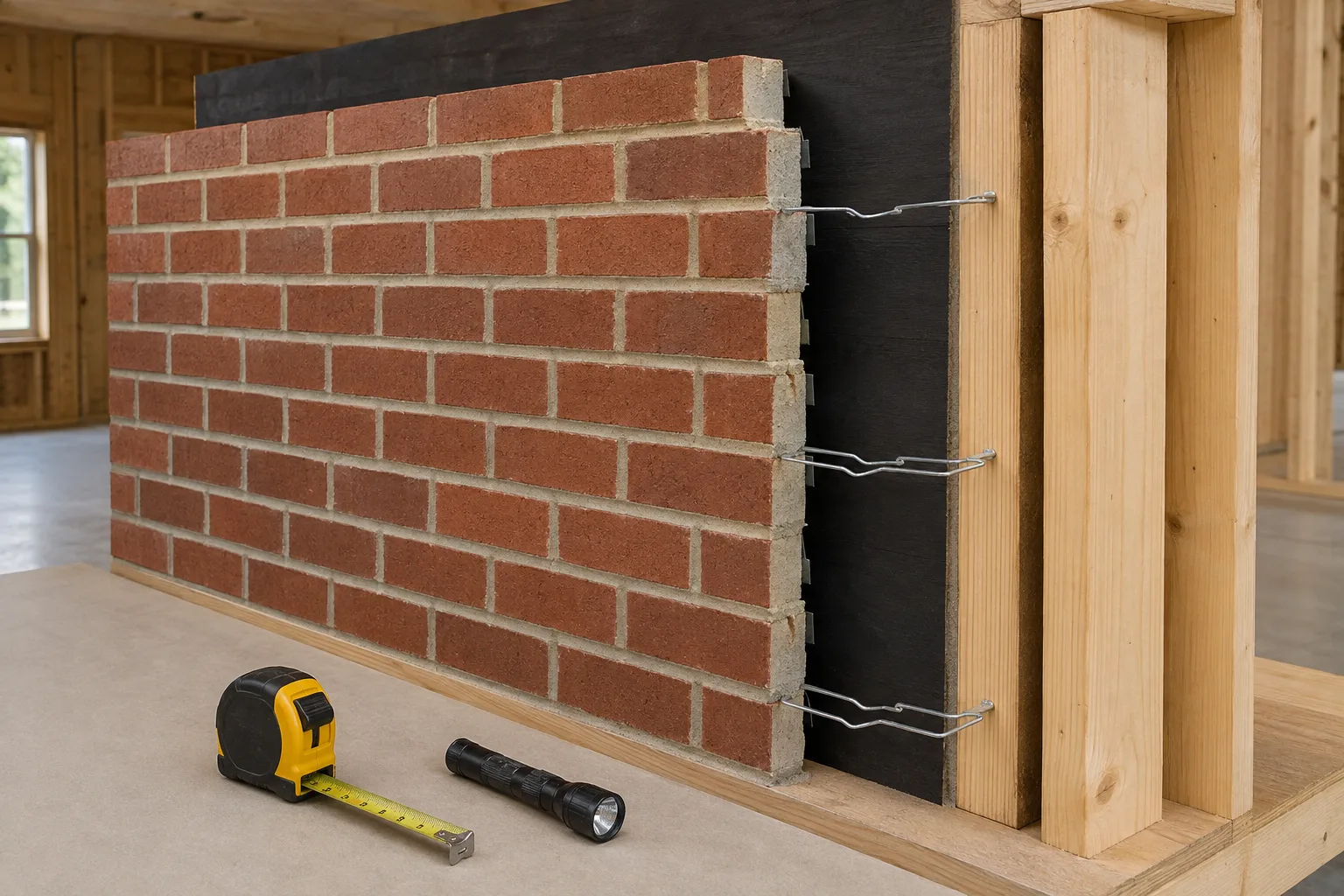
Separate brick veneer, multi-wythe masonry and thin adhered brick before choosing a drilling or fastening path.
Read complete guide →