

How to Choose a Drywall Anchor
A decision-first guide to expansion, self-drilling, molly and toggle anchors.
Read complete guide →HomeMount Lab field notes
Plain-English explanations built from primary safety resources, manufacturer instructions and established wall-system guidance—with limitations stated clearly.
21 in-depth guides · reviewed August 2026Browse the library
Search the complete library or start with one of six focused topic centers.
Searches titles, summaries and topics instantly. Your search stays on this page.
Choose hollow-wall hardware and understand drywall or plaster before making a hole.
3 guides →02Behind the wallFind framing, compare wood and metal studs, and plan safe fastener embedment.
4 guides →03Concrete, brick & tileMatch drill bits and anchors to concrete, brick, mortar and tiled surfaces.
3 guides →04Room-by-room projectsPlan mirrors, shelves, curtain rods, furniture restraints, pictures and cabinets.
6 guides →05PreparationSelect drill-bit sizes and reduce uncertainty when working with older walls.
2 guides →06Diagnose and repairHandle spinning anchors, oversized holes and small drywall damage.
3 guides →Showing guides 1–12 of 21
Page 1 of 2A decision-first guide to expansion, self-drilling, molly and toggle anchors.
Read complete guide →
Why an anchor turns without tightening, and how to repair the hole without making it worse.
Read complete guide →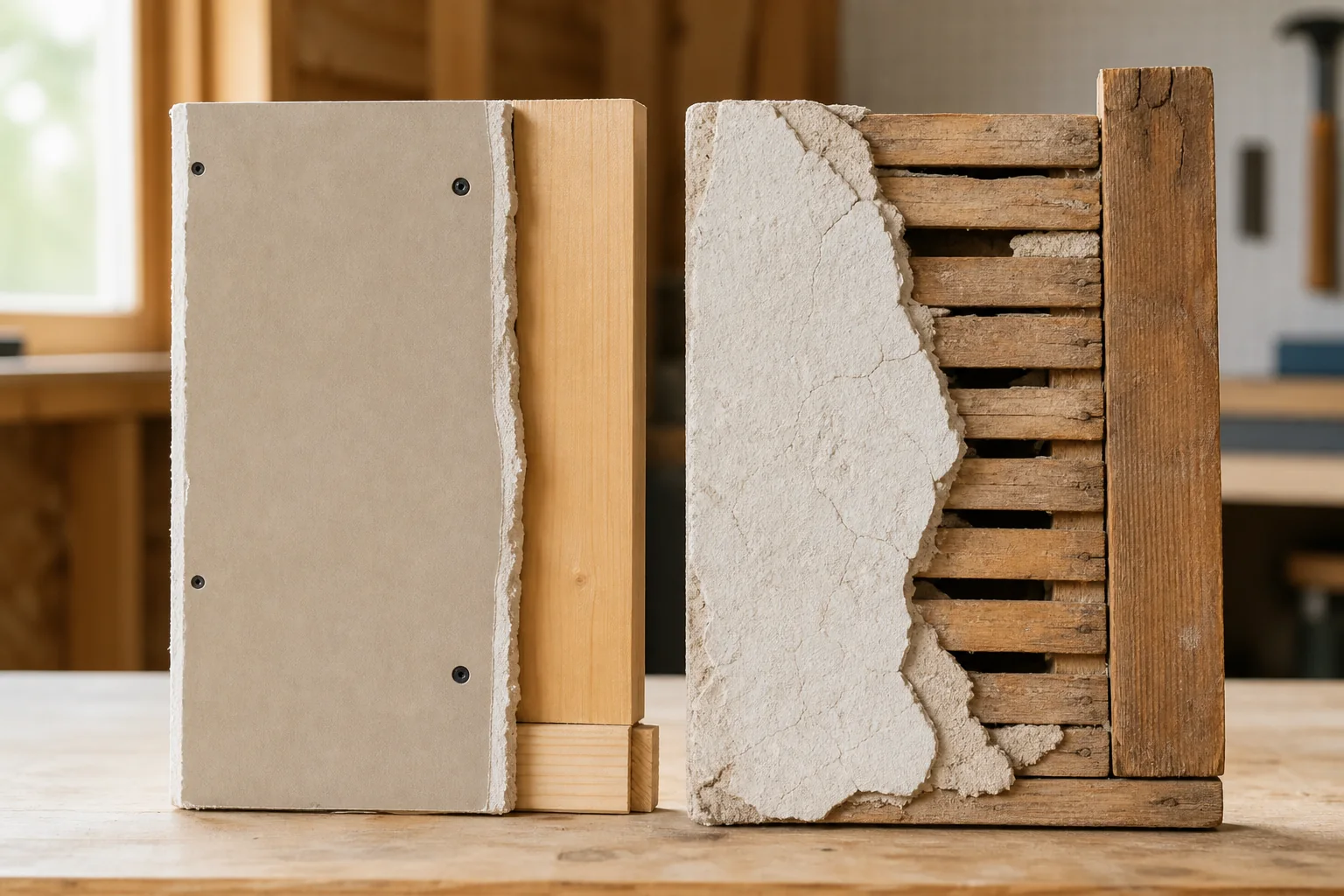
Use age, sound, outlets and a discreet inspection point to identify your wall.
Read complete guide →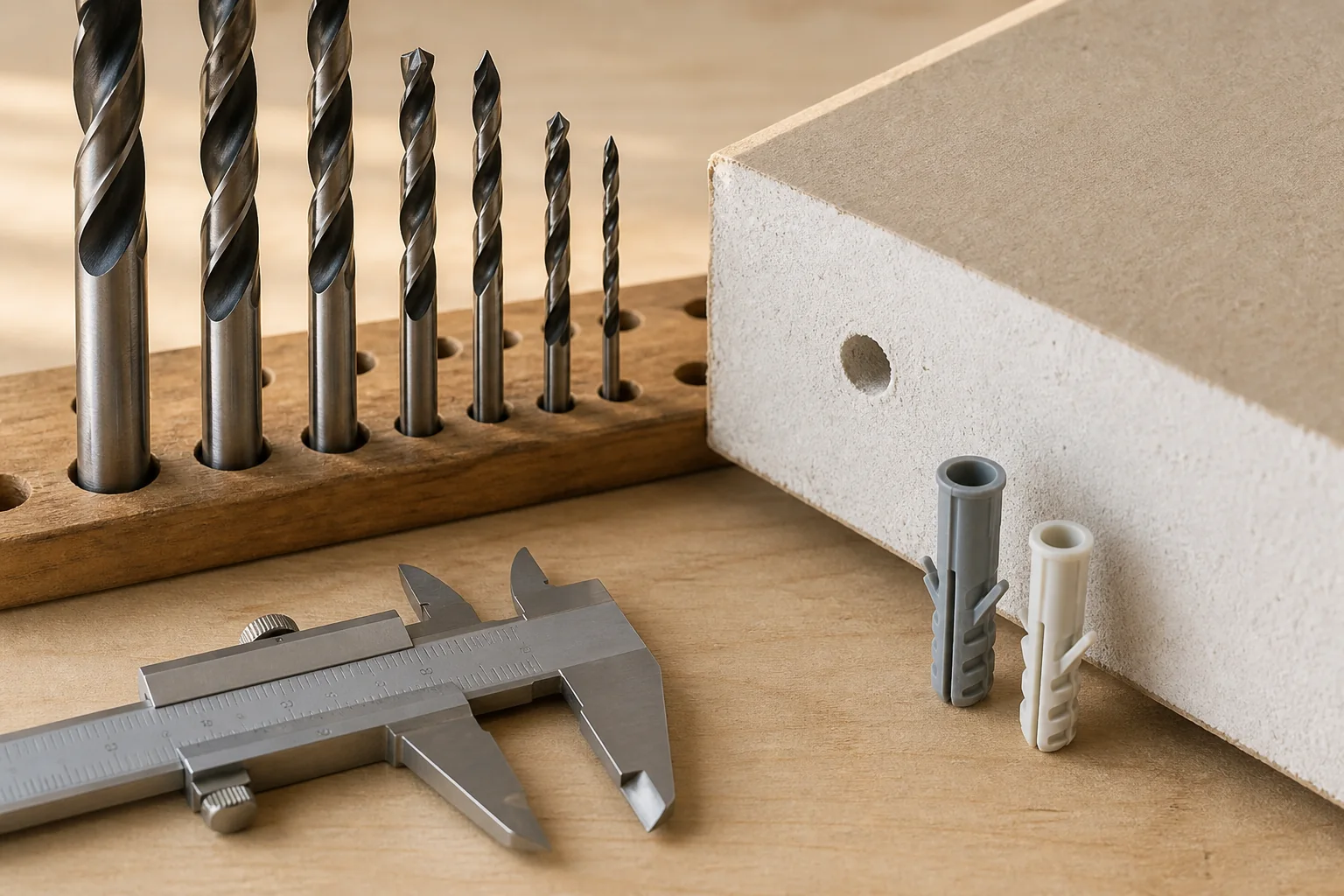
Read the package first, then verify the bit, wall and hole before committing.
Read complete guide →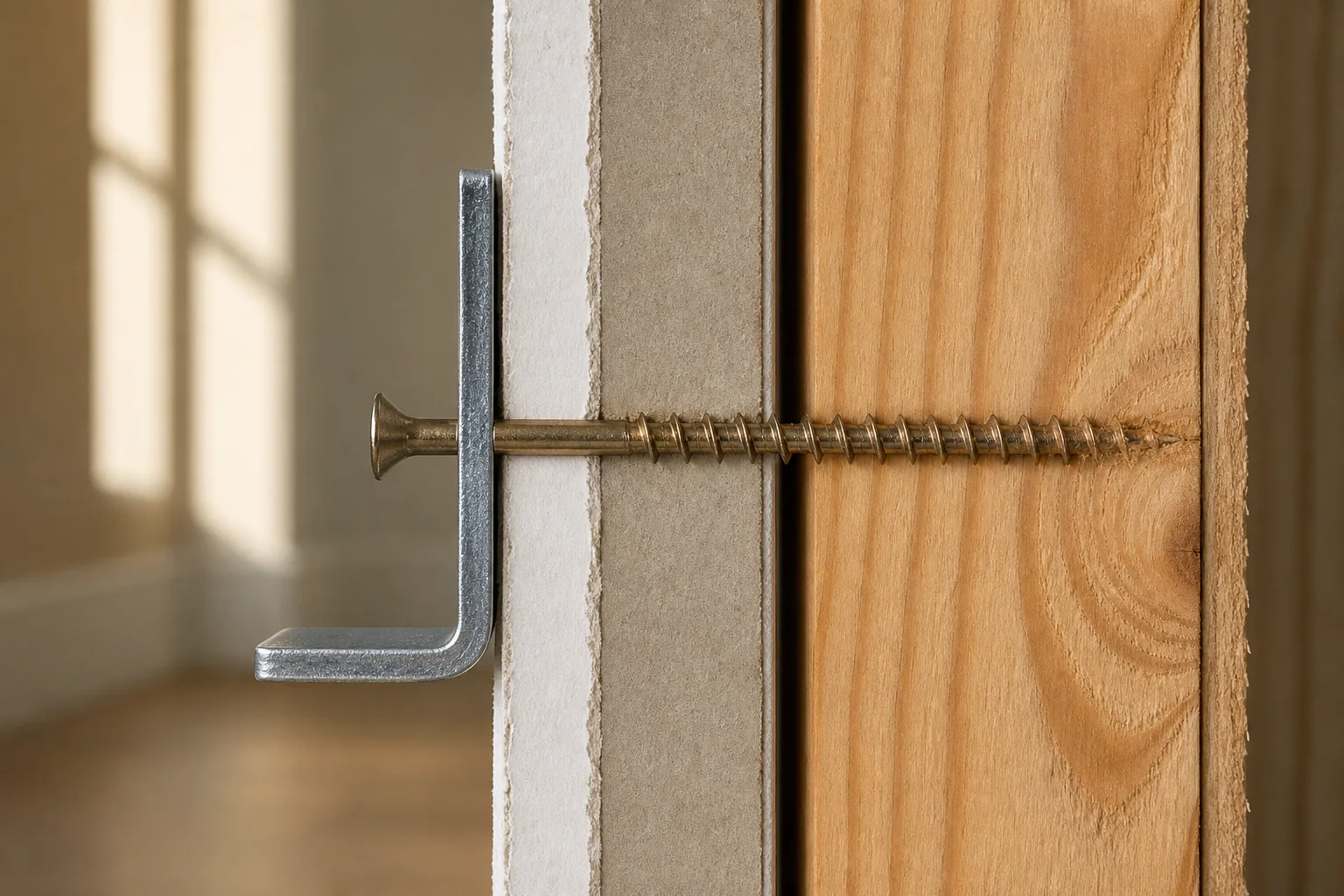
Think in terms of actual embedment after drywall and bracket thickness—not total screw length.
Read complete guide →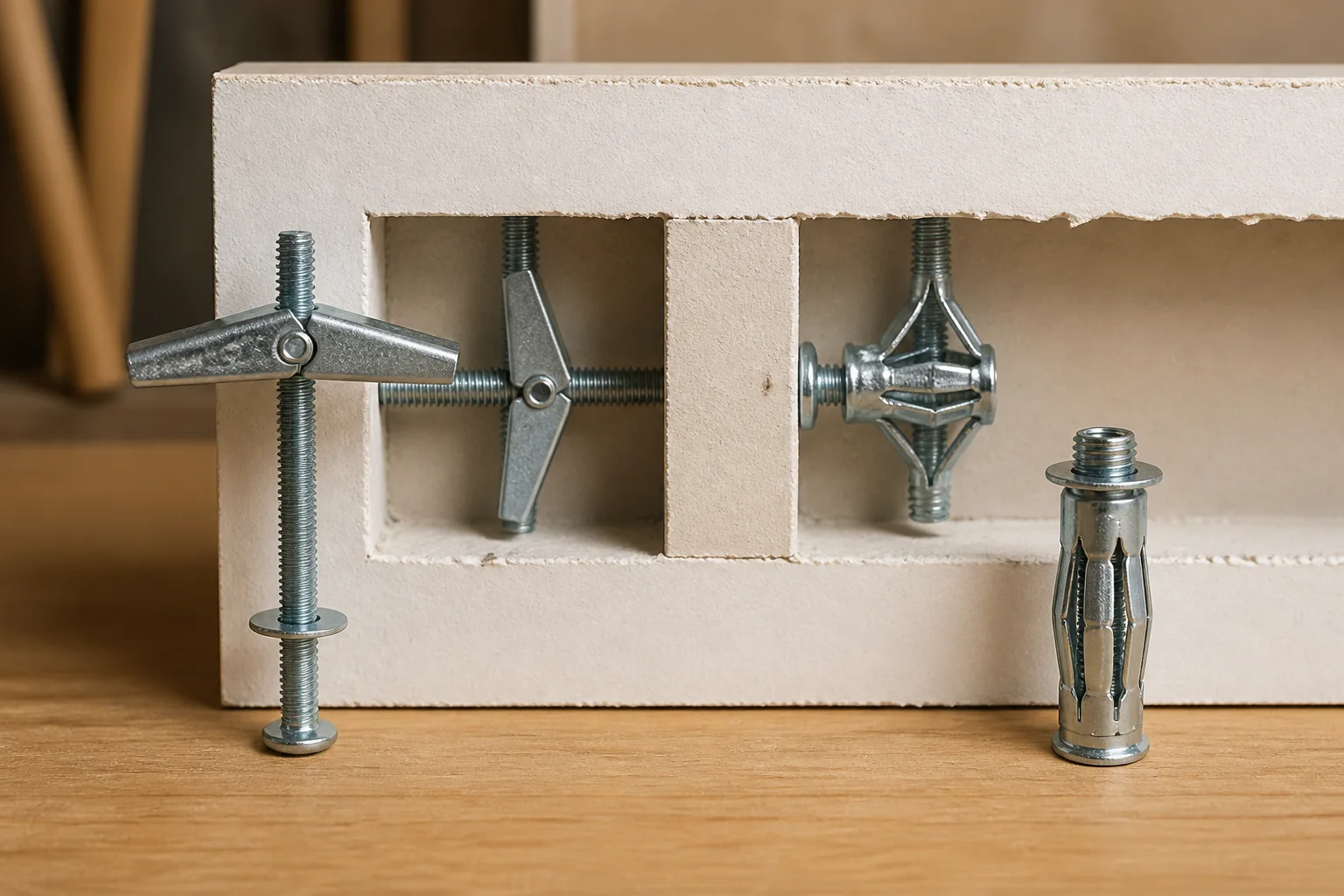
Compare hole size, cavity needs, removability and how each anchor bears behind the wall.
Read complete guide →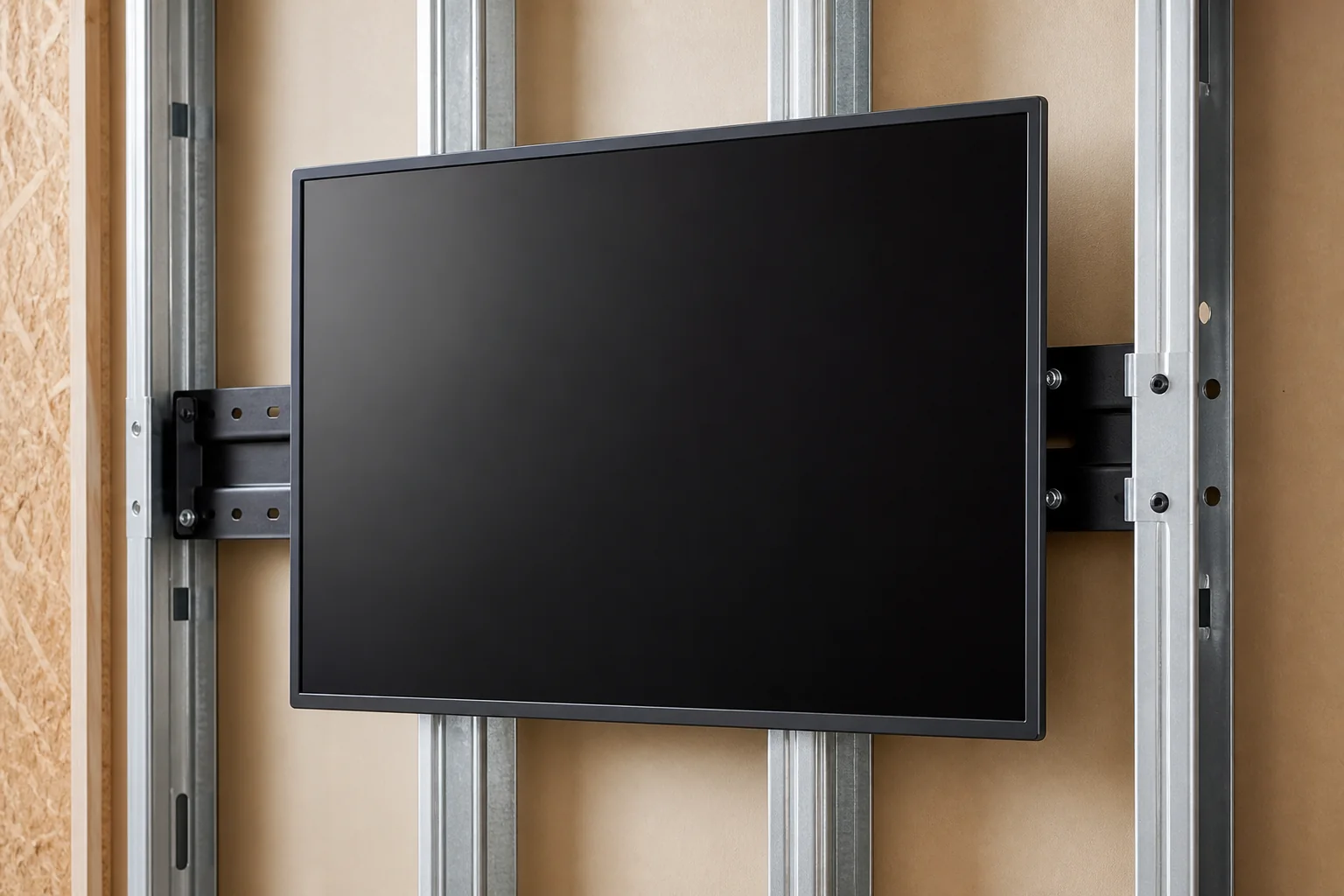
The answer depends on the mount, stud gauge, wall assembly and an approved fastening method.
Read complete guide →
Separate a cosmetic patch from a structural remount and choose sound material.
Read complete guide →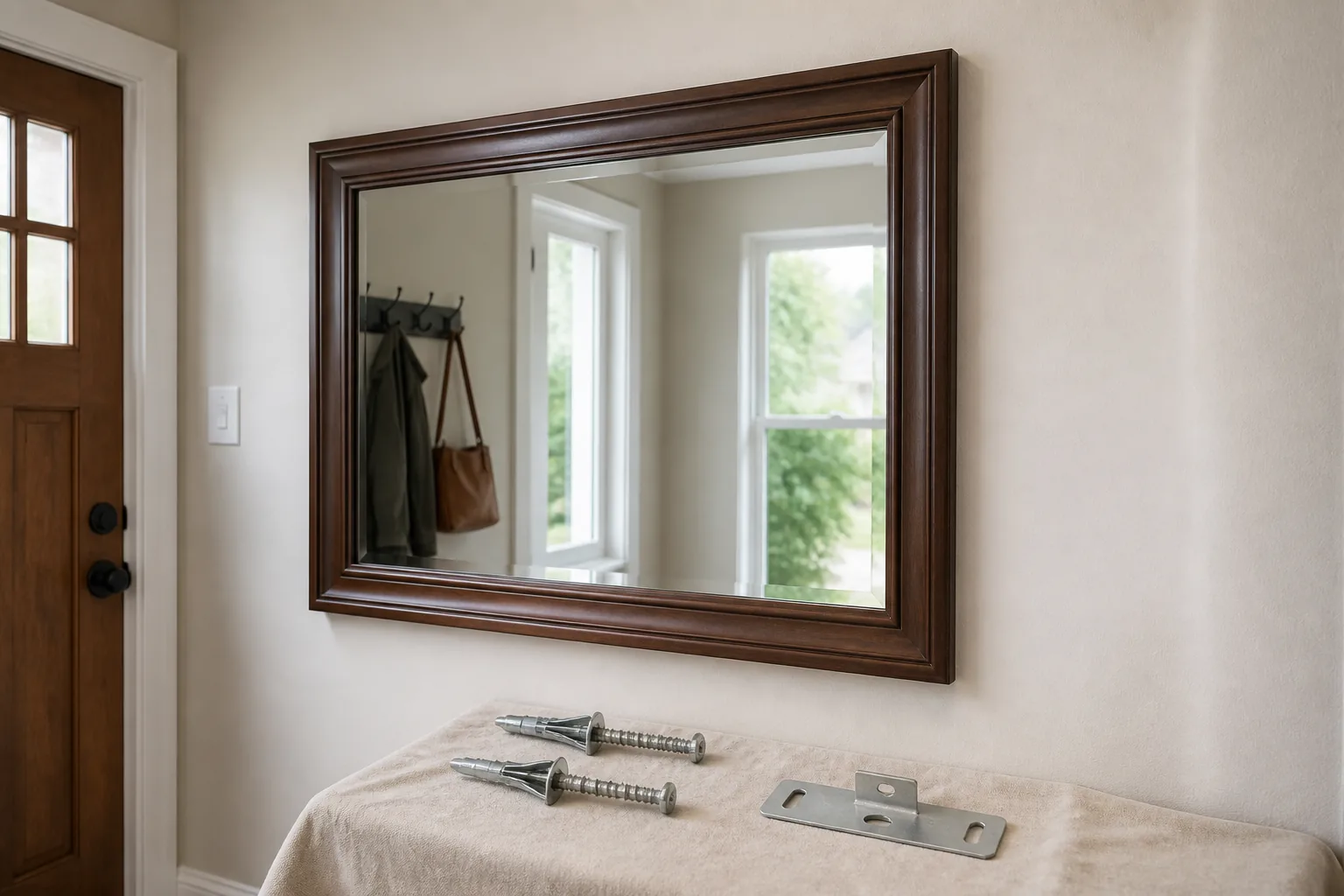
Plan the hardware, wall attachment and leveling method before lifting a large mirror.
Read complete guide →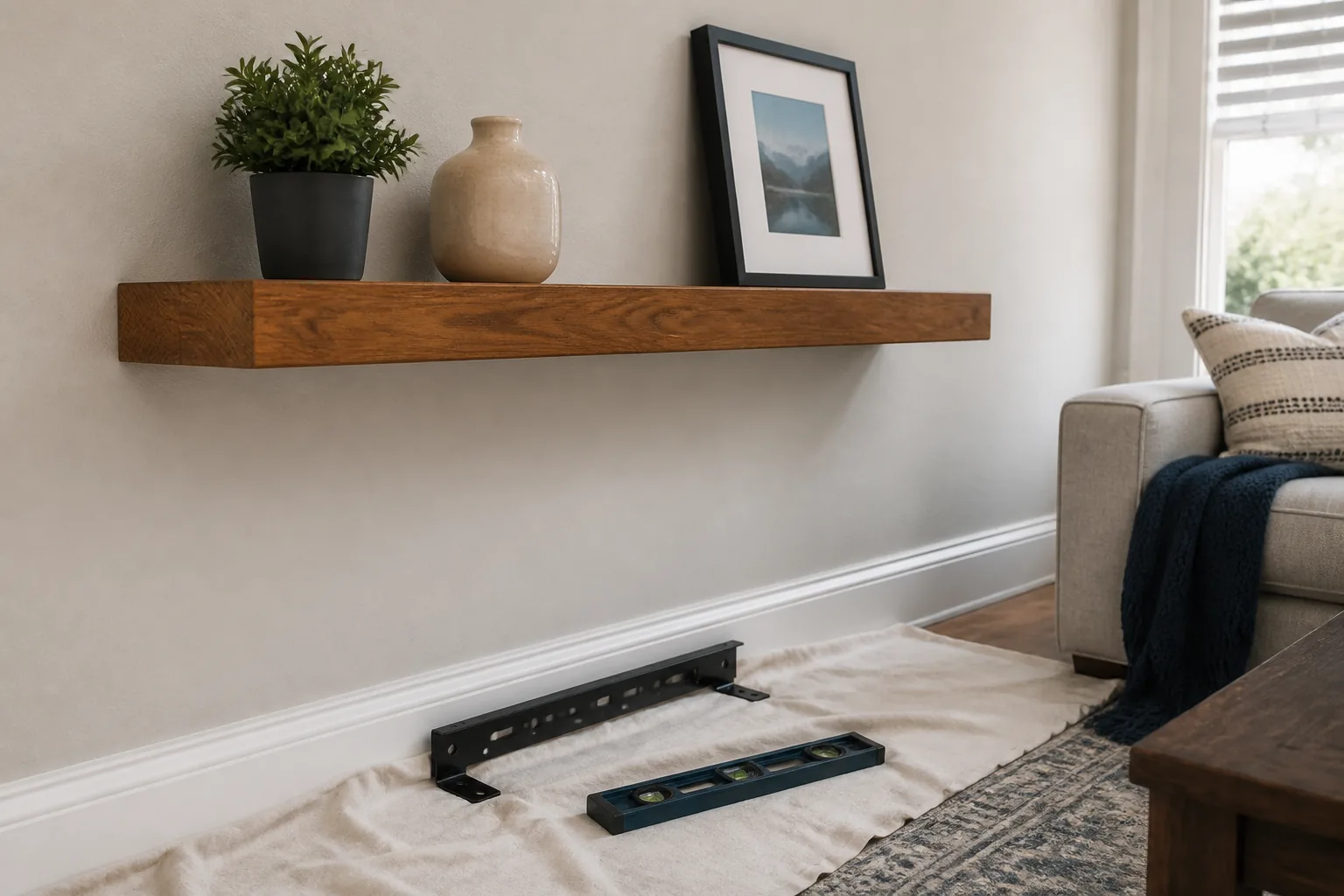
Account for leverage, hidden rods, wall construction and the real weight placed on a shelf.
Read complete guide →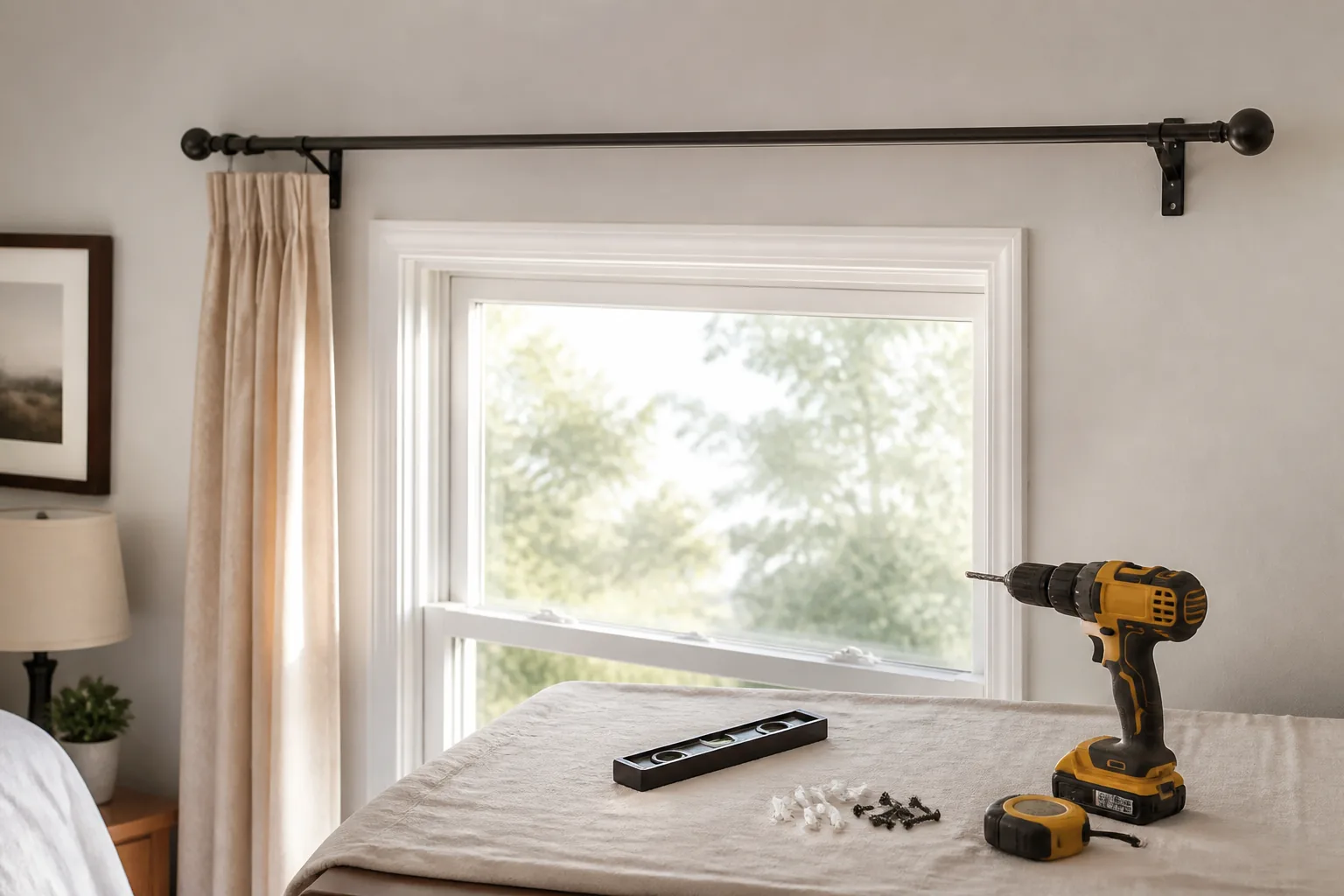
Plan bracket spacing, fabric weight and repeated pulling before choosing curtain-rod fasteners.
Read complete guide →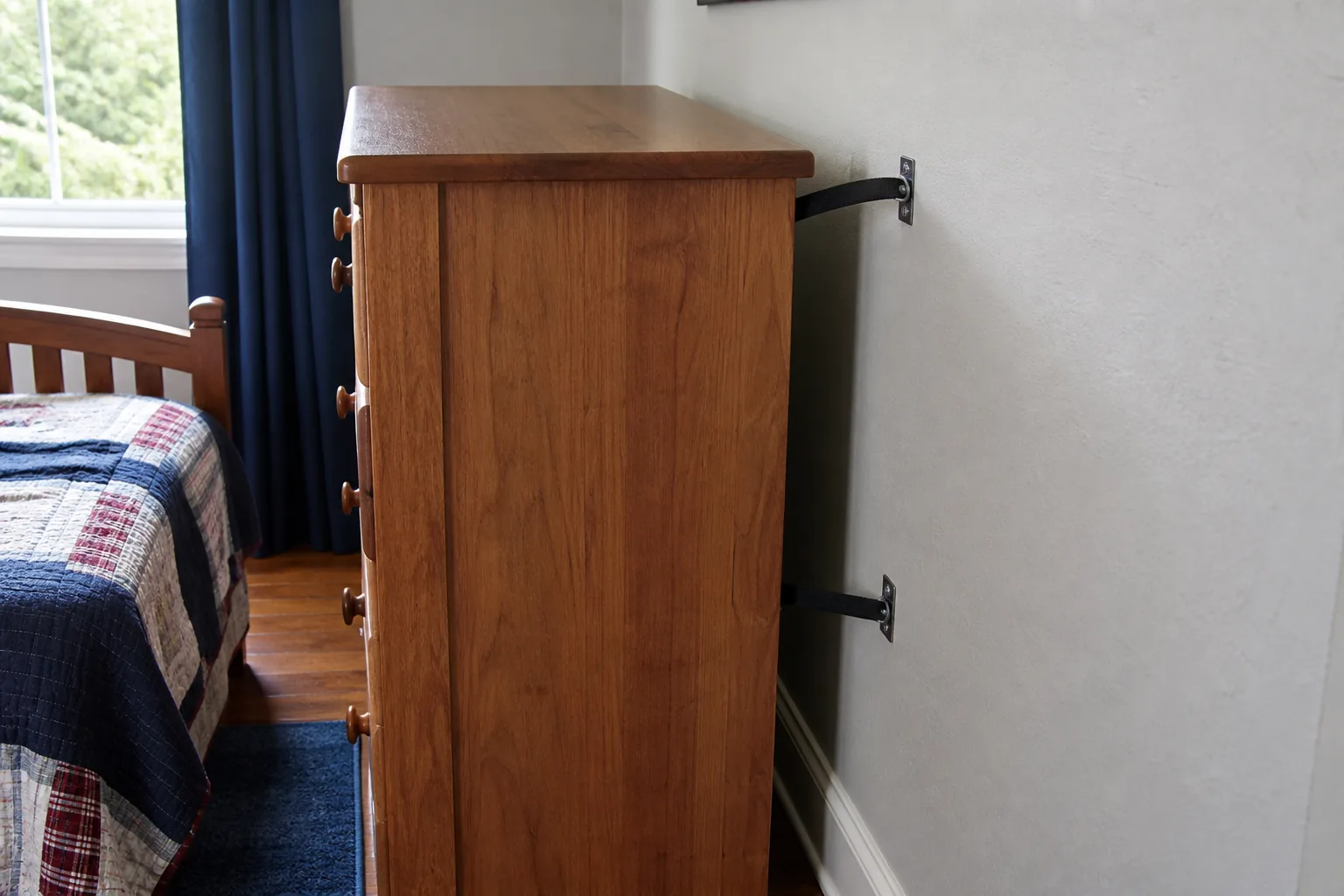
Use the furniture maker’s restraint and a verified structural wall connection to reduce tip-over risk.
Read complete guide →